- Call Us Now +233 20 163 5289
- Email Us info@nabocado.org.gh

Livelihood & Agriculture
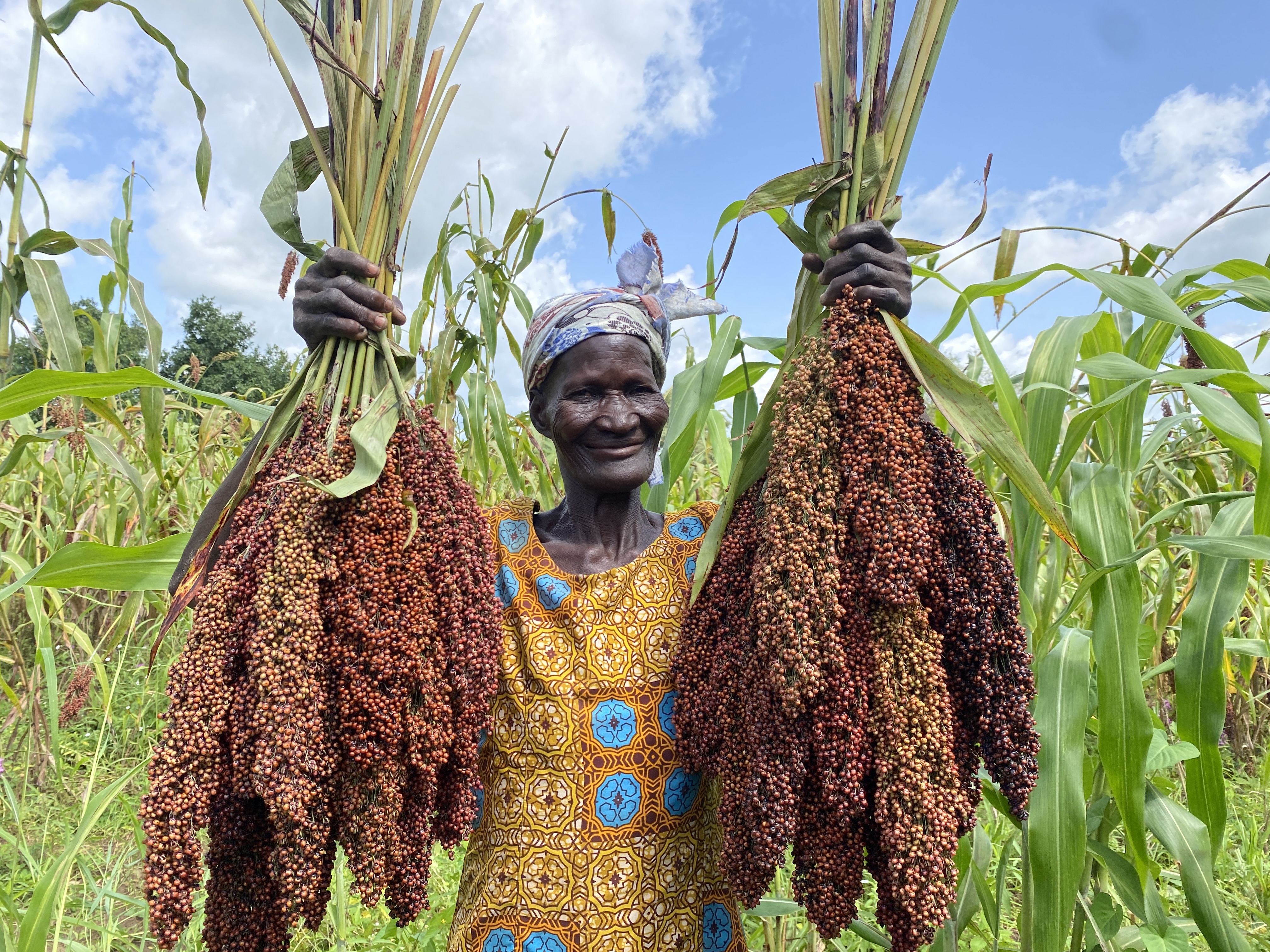
Livelihood and Agriculture Program
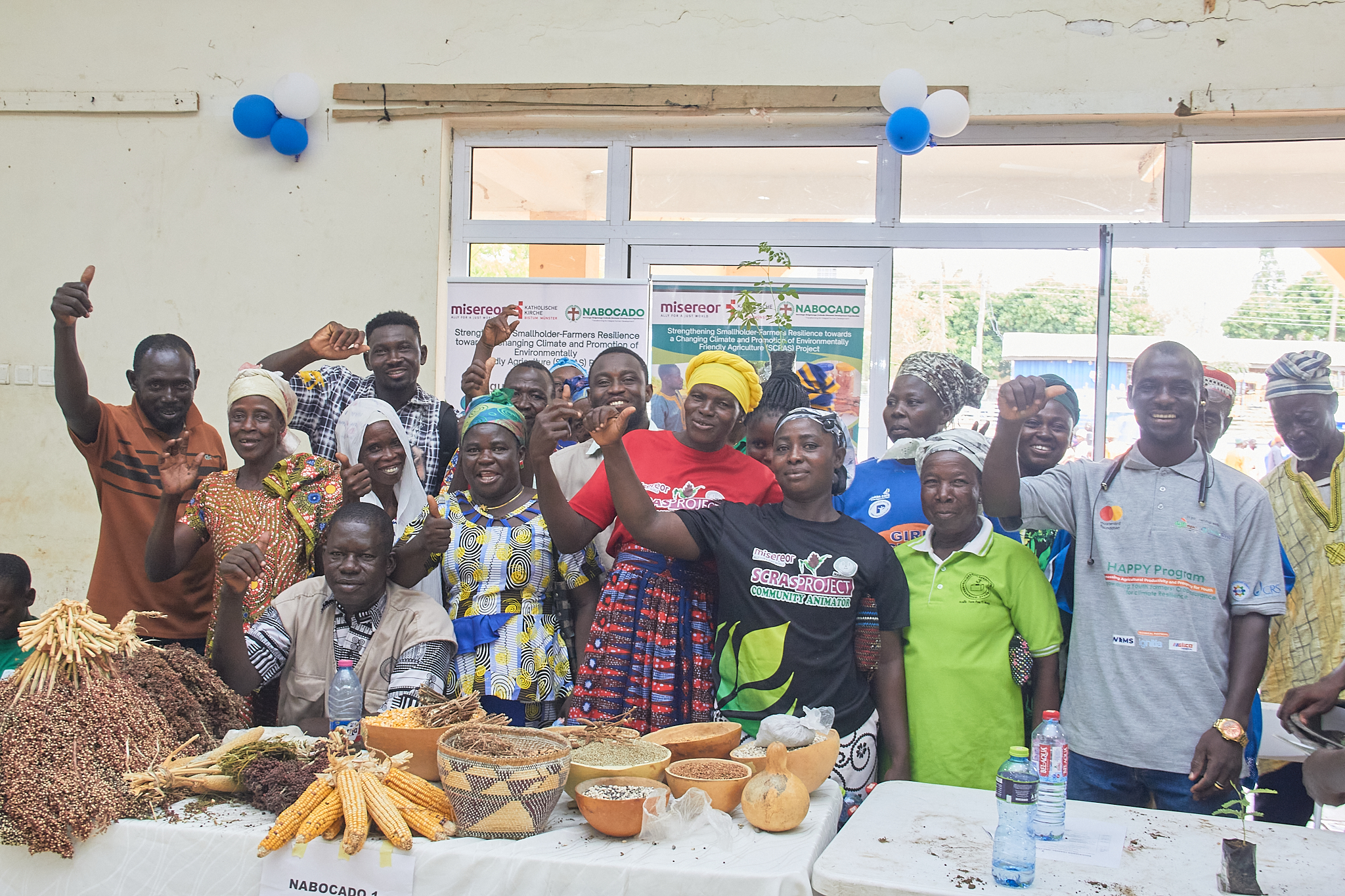
The Livelihood and Agriculture Directorate of NABOCADO works to improve the livelihoods, food security, and climate resilience of vulnerable households across Northern Ghana through sustainable agriculture and inclusive economic empowerment. The Directorate partners with smallholder farmers, women, youth, and rural communities to promote climate-smart agriculture, agroecology, natural resource management, and diversified livelihood opportunities that increase incomes while protecting the environment.
Our interventions focus on strengthening resilient farming systems, promoting sustainable crop and livestock production, supporting community-led climate adaptation, conserving indigenous seeds, empowering women through livelihood opportunities, and enhancing market access for smallholder farmers. Through capacity building, community mobilization, and strategic partnerships, the Directorate is helping rural communities build resilient livelihoods, improve household nutrition, and achieve sustainable development while adapting to the impacts of climate change.
Key projects include the Smallholder Farmers Resilience towards a Changing Climate and the promotion of environmentally friendly agriculture (SCRAS ) funded by Misereor and the Harnessing Agriculture Productivity for Prosperity of Youth (HAPPY) project funded by the Mastercard Foundation through AgriImpact and the Catholic Relief Services Ghana.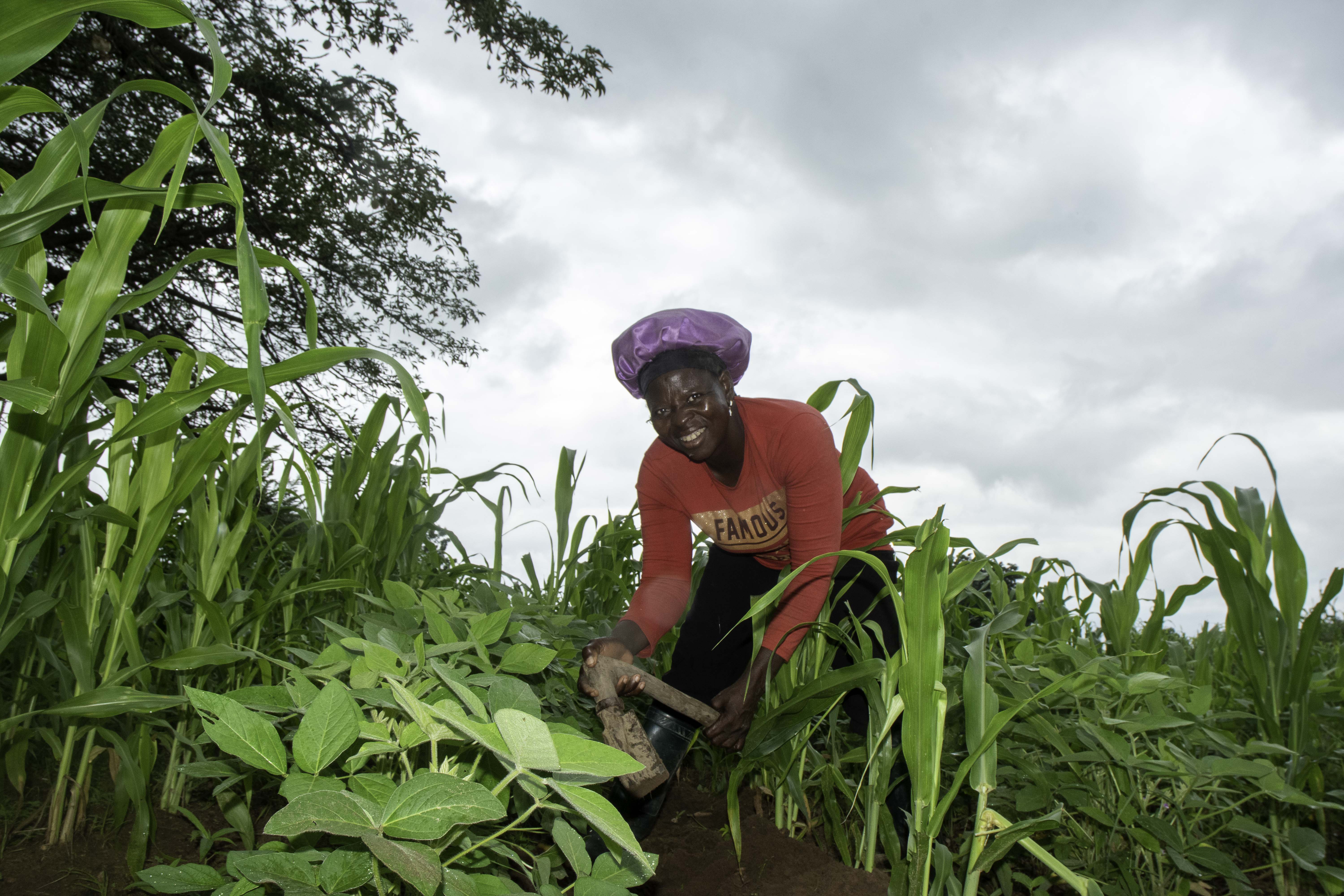
Core Competencies
· Solar-powered dry-season gardening
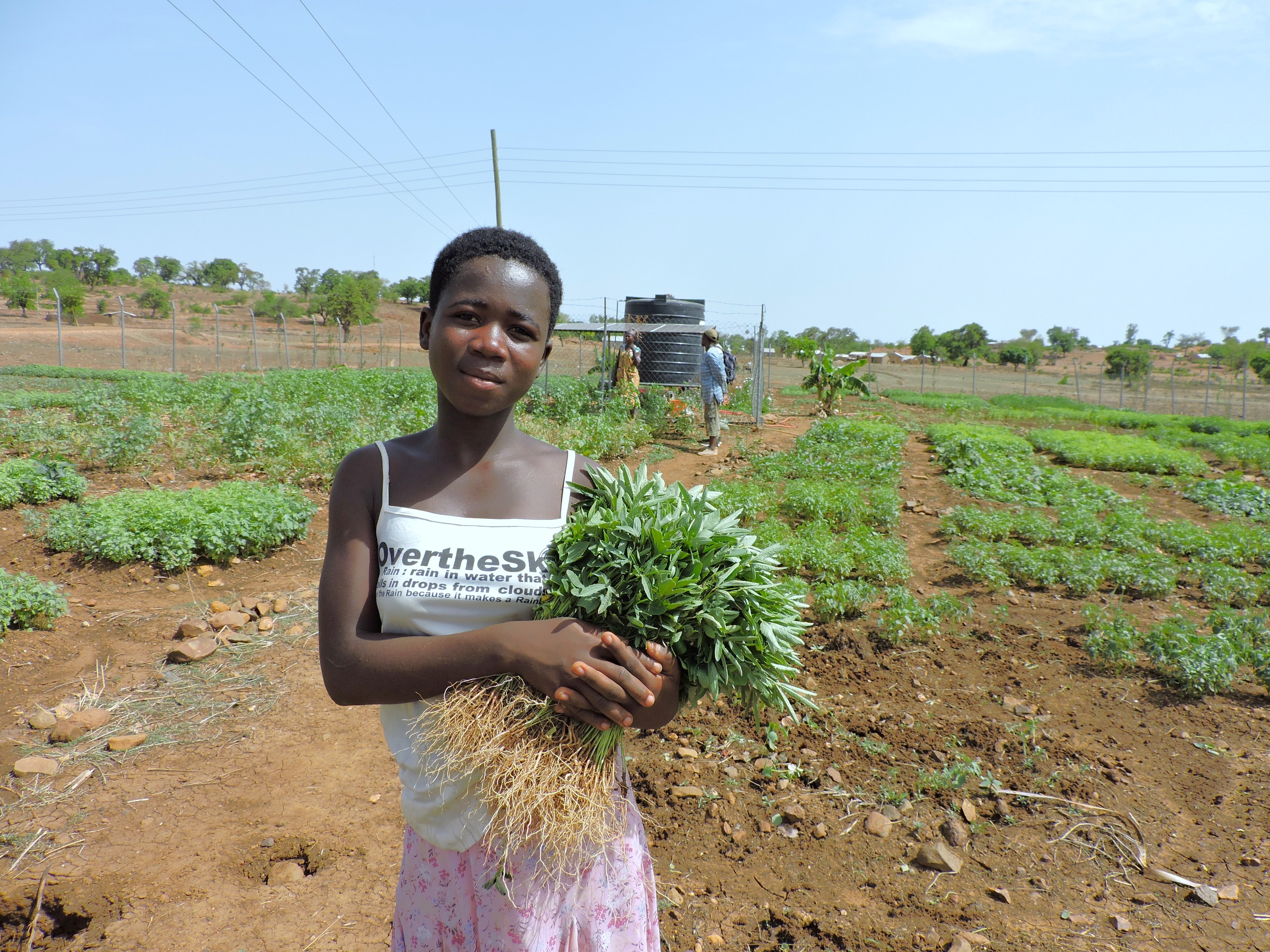
· Agroecology and organic production
· Ethno-vet
· Post-harvest management with biomaterials
· Community climate change adaptation and mitigation
· Women's enterprise development
· Farmer-Based Organizations (FBOs) formation and development
· Savings and internal learning concept (SILC)
· Youth professionalization of agriculture
· Community mobilization and engagement
· Facilitation of agriculture value chains
· Energy-saving and improved mud stoves (ESIMs)
· Local innovation identification and development
· Sustainable agriculture practices (SAP)
· Climate-smart agriculture
· Networking and linkages
· Aquaculture
Program Info
- Focus Area: Agriculture